Human Condition · Essays
On Struggling To Write
Reflections on the struggle to write and the value of writing through that very struggle.
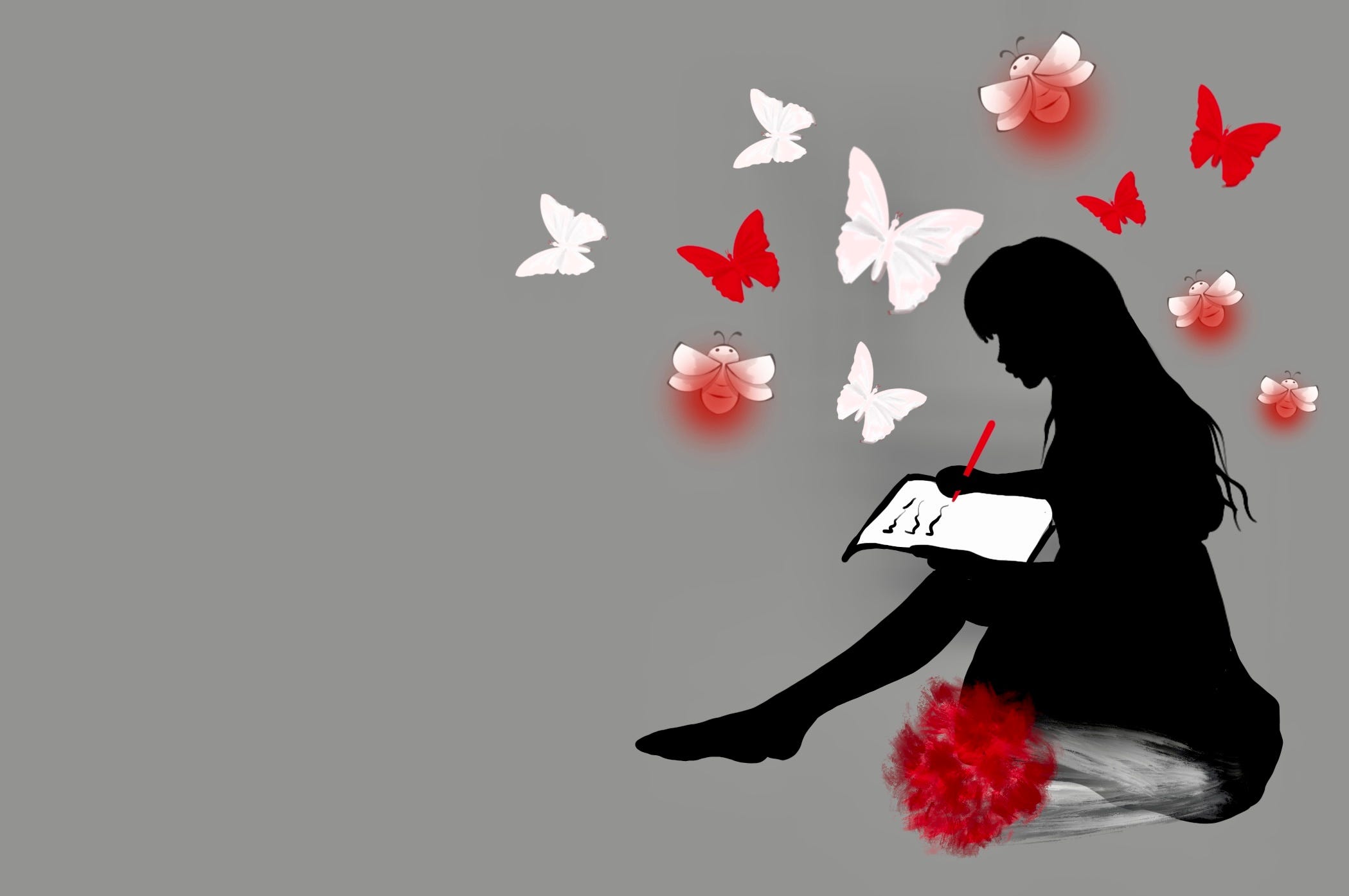
When I struggle to write, I write about that struggle (and I often do it in a more grandiloquent way than normal) - it’s been an effective way of getting me out of my head. Here’s a few of my recent examples of such writings, in case they might be of use to anyone else:
1) When you’re new to something that you hold in high esteem, something that you aspire to grow proficient in, that novelty brings along with it the call to face your fallibility and shortcomings. This can often become an impediment to true progress because while the earliest stages of any new endeavor will undoubtedly be driven forward by the excitement inherent in novelty and nurtured by the optimism of one’s belief in one’s talents and abilities - the optimism that gets fueled by the loud celebration of the initial progress, the trajectory of which can be quite steep, up until the first plato - the lack of appreciation for how long a real skill demands to grow even a single bud, leave along fully bloom, can be rather disorienting and discombobulating and quickly dampen the spirits. So, then, once the novelty has lost its charm but before the repetition required to polish the skill has uncloaked itself as a mundane bore, one must deal with the fear of facing regular slips of evidence of one’s imperfections. All of this to say that I often feel repelled from writing by the unwillingness to sit down and produce something less than great, which really is my outcome most of the time, and so this certainty, this knowledge, that when I write next, it is more likely than not that the writing will not offer anything commendable or remarkable makes the writing prospect itself all that less desirable. Part of me really wants to preserve the belief that I can be good at writing (“good” here is measured by the numbers of people that take a liking to or show appreciation for it), and what is a better way to preserve a belief than to never let it clash with the reality? Every time I sit down to write, I have to face the fear of writing something less than good and accept that the product of my efforts will likely leave me wanting, for it will either fail to deliver a valuable insight or it will fail in its very delivery thereof - ah, the clumsiness with which a new writer tries to describe an image vividly can only be mirrored by the clumsiness of a new painter trying to paint that image. Harder yet is not just to describe or paint that image as close to its reality as possible but to do so in the manner that reflects your personal perspective and vision of that reality. Admittedly, this one has been a quite satisfying writing adventure, which reminds me that sometimes instead of persuading myself into facing the fear of imperfection, I could try to focus on the knowledge that no matter the imperfection of the outcome and the frustration at that imperfection, I would still find the process enjoyable, and that really what matters in the end. For me at least. (And for Brandon, given his “journey before destination.”)
2) I feel tired and reluctant to engage in thinking or organized writing. But I also recognize that my goal for the year is evolving to encompass a more well-rounded and well-spoken version of/vision for me, and as such I’m going to need to sometimes engage in things that will be pushing/challenging me (like thinking when I’d rather not or engaging in a conversation when I’d rather stay in my bubble), all in service of my chosen aspiration. And the simplest thing is to probably acknowledge to myself that “yes, I don’t want to engage in this activity, but I recognize my reluctance as a predictable indicator of the comfort zone boundary, and I’ve grown tired of being comfortable (the kind of comfortable that feels like stagnation)”. Big part of this new vision is reconnection to my old one - striving for intellectual stimulation, keeping myself organized and grounded (with solid self-care routine around the basics, such as cleanliness and orderliness), as well as disciplined and caring. I really felt in my body the idea that “this is all there really is to life” - not in a disappointing or chagrined way but in some strangely liberating way. Like suddenly recognizing that the touch of the morning sun, the taste of my favorite coffee, singing along to a song - all these things are what life is made of and I already have them, and I will already take them with me wherever else I go. I think I’m learning to be content and even happy in the here and now, to feel the life of the moment, to accept the unpredictability of what’s ahead and know that I’ll be okay. Undaunted is my word of the year - to live a life and instead of bracing myself to be courageous in face of it, recognize that there’s actually nothing to fear in the first place.
3) There’s also the pressure of writing something that is valuable enough to not be considered a waste of the reader’s time - it may be okay for me as a writer to waste my time writing gibberish because, well, I might very well enjoy writing gibberish for its own sake, but if I should share a piece with someone else, I’m now making a claim on their time, with an implicit promise of it being worth their time. So when/if it doesn’t meet that implied value proposition, I now have to deal with a sense of guilt. At the same time, it’s not always obvious if a piece of writing is going to bring value to someone, or maybe the question is how much value does it need to bring to how many people to make up for the time waste that it will represent to some other people - what’s that ratio? What makes a piece of writing worth reading, worth sharing, worth producing? I suppose that worthy of being produced is any piece of writing that helps to direct, structure, organize, and explore thoughts. Worthy of being shared is a piece that contains an idea, a message, and insight that could be new to at least one other person. Worthy of being read is any writing that engages the mind and calls for either a burst of internal conversation or a fall of quietude - the mind will benefit from either. After all, it is through interaction with external concepts as outlined by other people, or through the act of noticing its reactions to those interactions that the mind recognizes its own truths.
4) Yet another frequent challenge with any article, essay, post, or whatever else that requires a first sentence is drafting that first sentence - some writers have a fear of blank page, while others dread the first sentence because it usually sets the tone and dictates how the rest of the piece is going to go. Even the first paragraph as a whole. Which is why I don’t think I ever started writing a story from the beginning - it’s always somewhere in the middle and then I make my way back to the beginning.
Reposted from January 25, 2026.
P.S. The image is from my illustrated poetry book “Ode to Hope and Despair.”
Originally published on Human Condition on Substack.
Join the conversation
Leave a comment
Your comment will appear after review. Please avoid sharing private information.