Human Condition · Essays
The Convenient Myth of Jealous Friends
A challenge to the assumption that friendships fade during good times simply because friends are jealous.
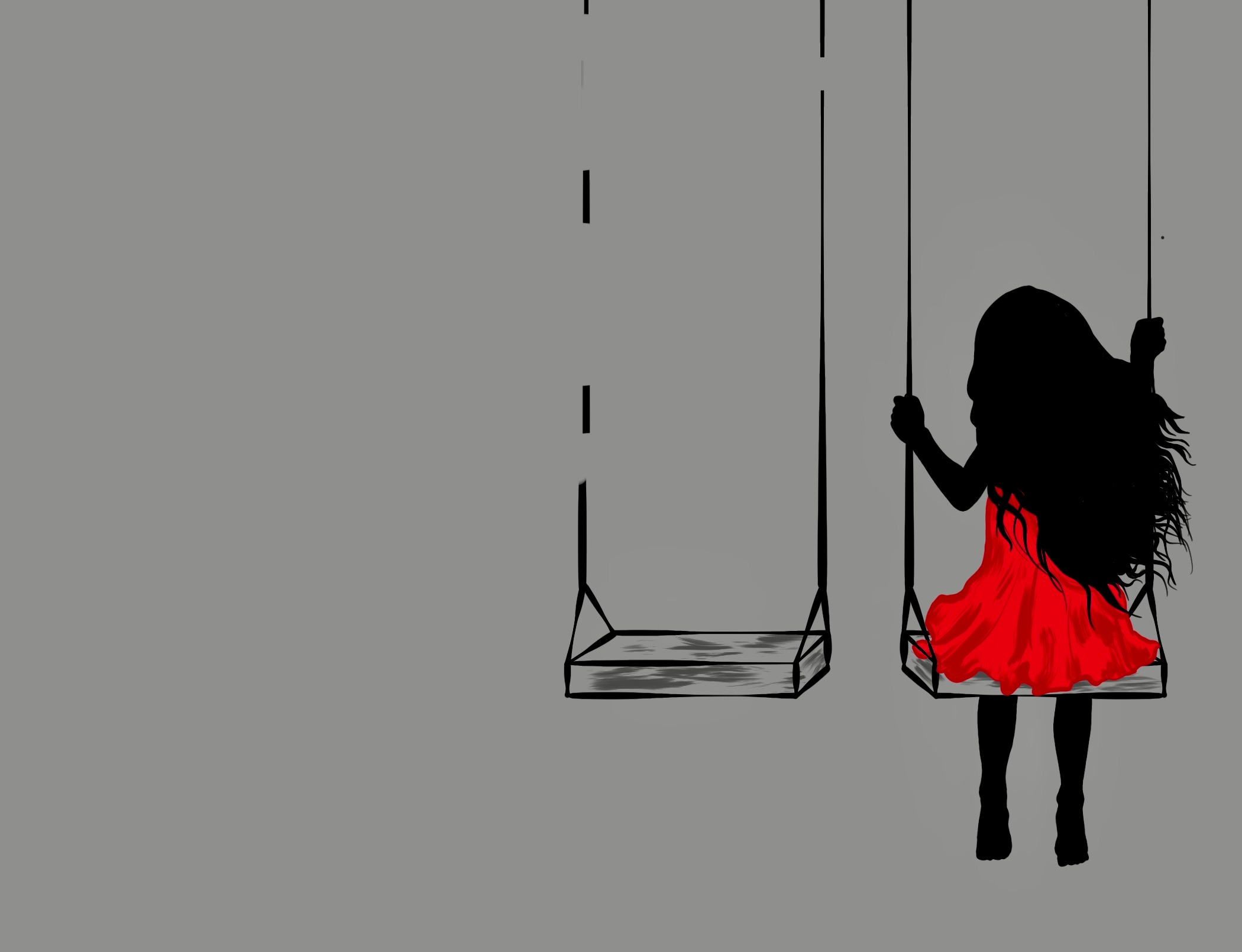
Lately, I’ve seen a rise in a certain type of sentiment about friendships: this idea that the true test of a friendship isn’t the bad times but rather the good ones. That is, that we often lose friends when things start to go well for us because those friends were there in times of misery to commiserate, but couldn’t handle being happy for us now that things are better.
I’m rather annoyed by the one-sidedness of that “explanation.” But this is intended as a quick post rather than a full-blown essay, so my coverage of the issues I have with the explanation will be a bit surface-level. But there are at least three important matters that the sentiment above ignores:
Friendship Formation or “Similarities Attract”
We tend to attract and be attracted to similarities. Chances are that most of our friends are people we have plenty in common with, from tastes to childhood experiences. What this common ground also often entails is our current life circumstances and emotional states. You know, the whole “misery loves company,” in all its various meanings, but usually the miserable company, like that of gossipers, complainers, worriers, etc. Birds of a feather and all. However, normally this kind of flocking tends to lead to one of two outcomes: 1) polarized groupthink and stagnation (there’s a certain kind of twisted pleasure in sharing complaints or even “competing” on “the biggest trauma to heal” and other categories); or 2) encouragement and friendly push towards growth (there’s a certain type of appreciation that comes with it - the self-appreciation for fulfilling one’s need to be valuable by being supportive).
Duration of “Bad Times” and Role Solidification
Now, regardless of whether friendship is based on commiseration or support, in both cases, there’s clarity around the role being fulfilled by the friend. And the longer we’re undergoing a certain type of life circumstances, especially the “bad times,” the more solidified that role becomes: a worrier friend, a supporter friend, a call-me-at-2-am-and-I’ll-be-there-for-you friend, etc. So then, when we are finally doing better and no longer in need of commiseration or support, to our friend that can feel rather disorienting because suddenly there’s no need for or value from the role they are used to fulfilling, or from their presence in the friendship. They can be happy for us, usually they are, but they just don’t know on what other grounds to continue the friendship. And of course, this role dissolution isn’t something conscious - it’s not like our friend goes “Oh, hey, I used to feel valuable in this friendship because I got to show my support, and now that there’s no need for that, we should probably reclarify our respective roles.” No, instead, it’s a period of discomfort, unconscious rejection, and eventual alienation.
Onus of Responsibility for Friendship Maintenance
This role reclarification, this transition period is where I suspect most friendships naturally come to an expedited expiry. Role dissolution should be recognized as an opportunity to redefine a relationship. After all, friendship is something that should be constructed and navigated together. Yet, it’s become too easy (or maybe more socially acceptable) for us (the now-doing-better version of us) to brand our “lagging” friend as jealous and incapable of being happy for us and close the door on them without ever sharing the load of figuring out together what this new friendship could look like.
Friendships end for a multitude of different reasons. And while it’s natural to perceive tragedy in endings, what’s more tragic is to completely discard the entire experience of a friendship solely because (or how) it ended. I’m not talking about betrayals or other types of endings that do have a lingering impact on our lives and will unfortunately add a shadow, a filter, to our shared memories of the person involved. For the purposes of this particular discussion, my focus is on friendships that we choose to end and walk away from with a mild sense of self-righteousness (or even superiority). In the end, self-righteousness as a sentiment tends to be a red flag attracting our attention to the areas that could benefit from self-reflection.
P.S. Edited and reposted from March 1, 2026.
P.P.S. The image is from my illustrated poetry book “Ode to Hope and Despair.”
Originally published on Human Condition on Substack.
Join the conversation
Leave a comment
Your comment will appear after review. Please avoid sharing private information.