Human Condition · Essays
Vulnerability = Applied Courage > Perceived Trust
A reflection on vulnerability, courage, perceived trust, and the changing boundaries of emotional safety.
The thoughts below are a response to Joe Folley’s The Rise of Show Vulnerability. While his essay focuses on the distinction between genuine vulnerability and socially sanctioned “show vulnerability,” I found myself becoming less interested in where the boundary lies and more interested in vulnerability itself - just thinking out loud here.
“The minute something becomes properly de-stigmatized, it thereby becomes something you can no longer be vulnerable about” (from the OG post). That’s been the whole point behind de-stigmatization of vulnerability though, right? To expand the bounds of safety so what once was considered vulnerable can be “normal”? But I suppose then the question transitions into the existentiality of vulnerability - the objective of its existence, whether it’s being used in accordance with that objective, and what the misuse implies about its nature or its objective.
I can think of at least 3 pure hypothetical worlds of differently functioning vulnerability to have fun with exploring that existentiality question (which is pretty much what Joe shared but my mind couldn’t help warping it slightly):
1) The world of no vulnerability. And immediately, a question arises - does this mean the world where vulnerability exists but isn’t revealed at all or where there’s nothing to be vulnerable about because everything has been normalized? If the former, then is vulnerability known in such a world but prohibited/suppressed or is it not even recognized as a concept/sentiment? And if the latter, would it be closer to a utopia or dystopia?
2) The world of performative vulnerability. And my question here is - if that’s the only kind of vulnerability everyone knows and engages in, is it still considered vulnerability or does it turn into manipulation? And would it be vulnerable for someone to decide to not be vulnerable in a world like this? For instance, if I know that my acknowledgment of my own toxicity as a reason for the conclusion of one of my friendships would elicit sentiments of support and sympathy, which would defeat my non-performative vulnerability objective, then could my choice to not make such a disclosure about myself be considered an act of vulnerability, albeit one without spectators? Is performative vulnerability more about the performance or the presence of the audience? That further begs the question - can vulnerability then exist without an audience? When we talk about exposing ourselves to potential harm, social harm carries the most weight, but ego harm (harm to our self-perception from acknowledging truth about ourselves) should also count (but wouldn’t in the world of performative vulnerability). So, I suppose, we should make a subcategory then and differentiate between social vulnerability and existential vulnerability.
3) The world of true vulnerability. Although to Joe’s point, this one almost sounds like a transient state on the way to a version of the world of no vulnerability. Granted that additional variations of this world could branch out of the question of “is vulnerability in the eye of the one sharing it or the one perceiving it?” There’s obviously quite a bit of a difference between being vulnerable and being perceived as vulnerable. Can vulnerability exist if one of the two parties doesn’t recognize it as such? And what is it then? To Joe’s example of shedding tears at a beautiful piece of cinema (taking his word for it on this particular one, as I’m yet to watch LoTR), who should have the final say in defining the tears as an act of vulnerability - Joe or his friends (or someone else entirely)?
As I’m typing this, I’m realizing that maybe I’m talking about two different things here because in a way vulnerability seems to overlap with transparency, both the kind that stems from a desire to be deeply known and fully seen and the kind that emerges out of indifference (or at least doesn’t require courage). I think the former poses a more peculiar question regarding intention because that kind of desire is in and of itself selfish, as is pretty much everything that governs human behavior and intentions behind them, and yet selfishness (and the way it directs intentions) isn’t the only sentiment here. Still, should intentions play a differentiating role between the types of vulnerability (performative, true, etc.)? Or is it the resulting reward that determines the nature of vulnerability? If we shed light on the darkest parts of ourselves not because we want them accepted but because we don’t want to hide them (which would require little courage and even less trust), then we’re not being vulnerable but transparent. So I guess, maybe in the end, disagreement isn’t about vulnerability at all, but about what we each mean by the word, and we just need to double-check our respective definitions.
Is there a formula for how much a potential harm should outweigh a potential reward for it to maintain the status of vulnerability? Since vulnerability is also a means of communication that signals trust (an attempt at or call for it), at its core, vulnerability then seems to be founded on the concepts of courage and trust that provides for a “clean” (if not for subjectivity of it) formula of:
“Vulnerability = Applied Courage > Perceived Trust.”
P.S. This post is more of a cop-out since I haven’t finished any of the pieces I started this week. What it really is though is a commentary on a great post by Joe Folley (and I needed that post, even if as the equivalent of a mental mouth-cleanse). Although as you could see, the fireworks of random thoughts that branched off from it are making it a touch hard to articulate myself - hence, “sporadic notes disclaimer.”
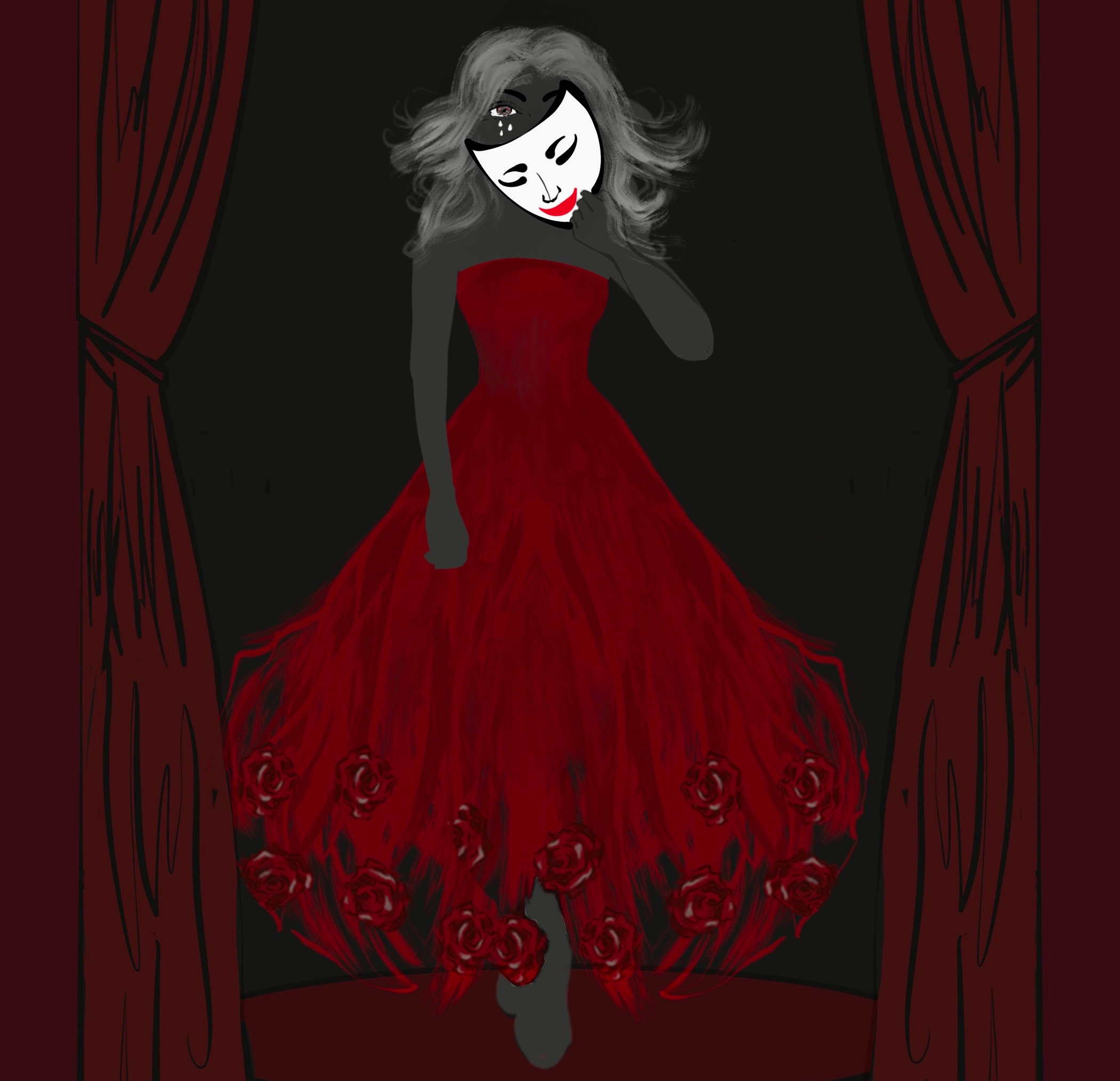
P.P.S. The image is from my illustrated poetry book “Ode to Hope and Despair.”
Originally published on Human Condition on Substack.
Join the conversation
Leave a comment
Your comment will appear after review. Please avoid sharing private information.